
A collection of several teaching units that have been part of the project Green Empowerment of Schools. We hope you will enjoy exploring them. Under each unit, you will find an activity plan available for download.
Sustainable Cities and Communities
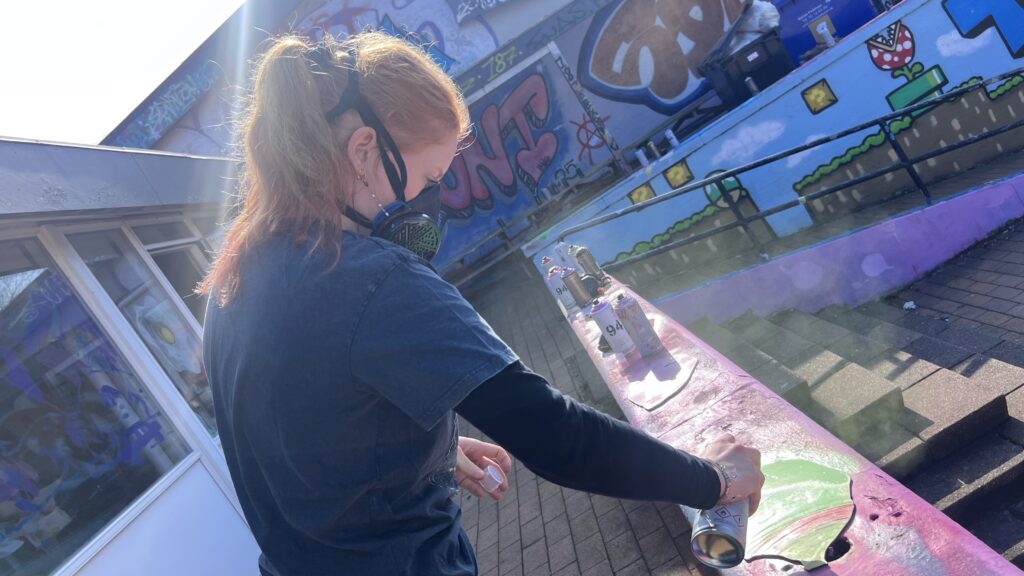
This workshop examines a local sustainability conflict to explore how environmental concerns, democratic processes, and creative activism intersect. Using the debated motorway connection across Aalborg Fjord as a case, students engage with different environmental ethical positions and question how political decisions are shaped through both top-down governance and bottom-up civic action.
SUSTAINABILITY IS SoMe
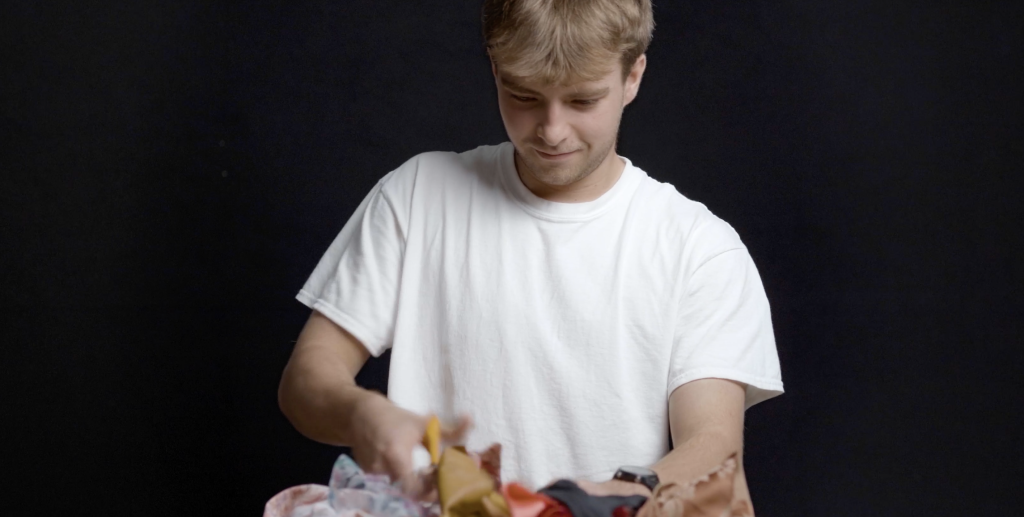
This activity focuses on the sustainable profile of the school through workshops and activities that take their point of departure in the UN’s sustainable development goals (SDG). The students work as a school editorial office producing content for social media about school initiatives and activities linked to sustainability. The concept is highly adaptable and does not have to be connected to a thematized sustainability week, as is the case in this example.
Vertical Garden
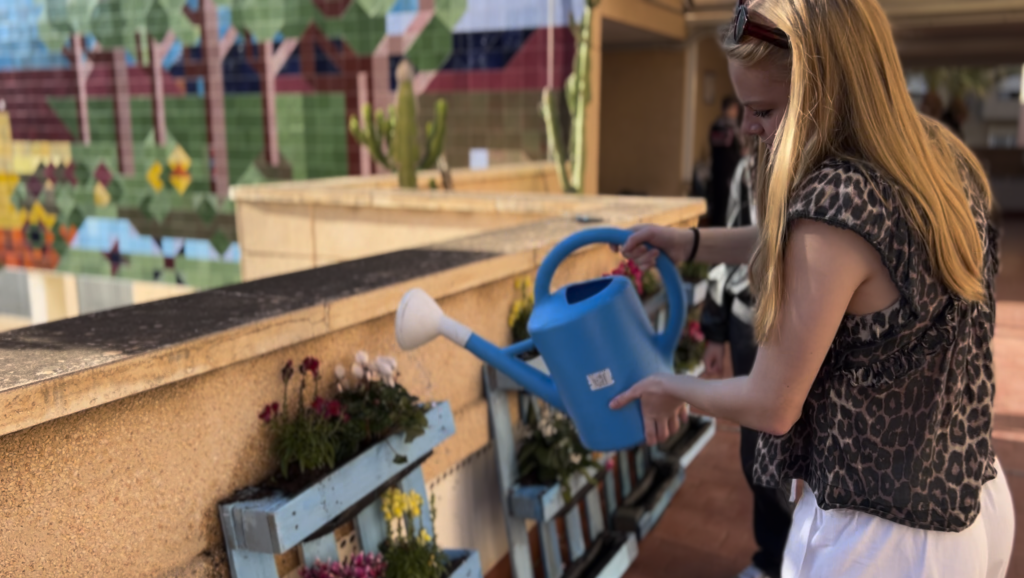
This activity invites students to explore climate adaptation, sustainability, and inclusion by building vertical gardens from reused industrial pallets. Set in Elche—a Mediterranean city experiencing rising temperatures—students learn how greenery can improve thermal comfort, well‑being, and learning environments.
Upcycling – Reuse and Recycle
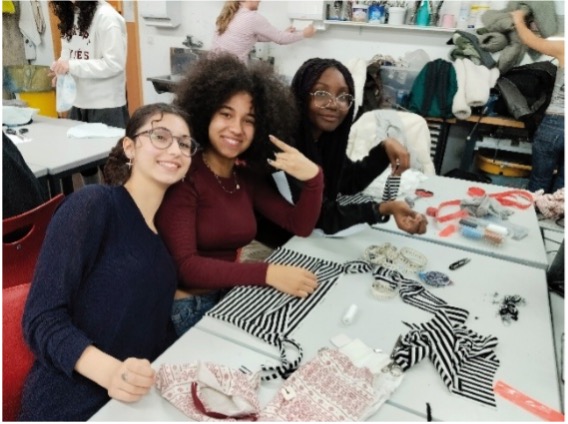
This activity highlights the school’s commitment to sustainability by integrating workshops and projects inspired by the United Nations Sustainable Development Goals (SDGs), with a particular emphasis on upcycling and waste management.
Green travel – how to travel greener
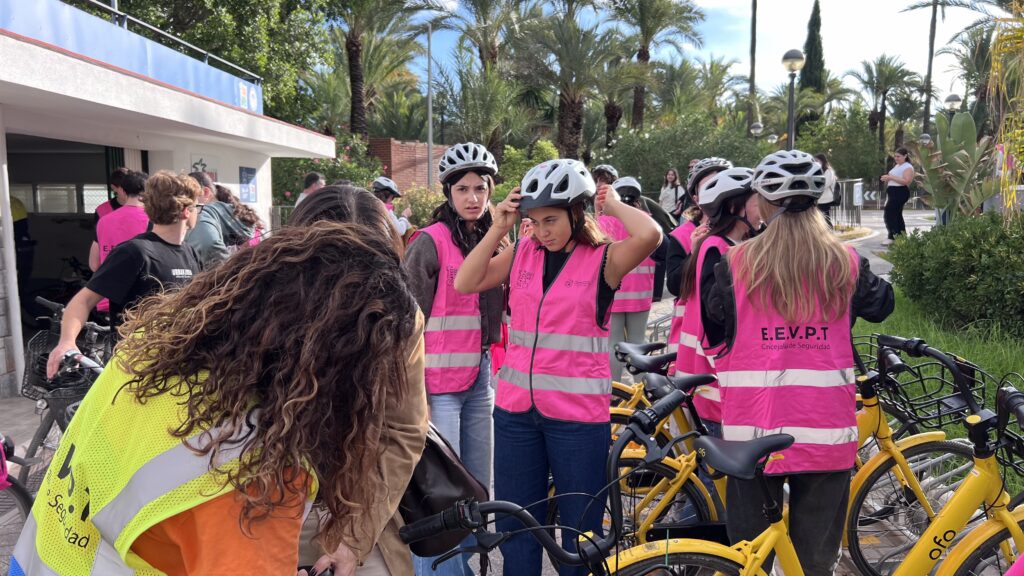
This is a guide to how a teachers and students can collaborate to prepare for a more sustainable study trip by any means of transportation and how learning about sustainability can become a part of all phases of the trip, starting with planning.
CarLa – Turning Waste into Worth
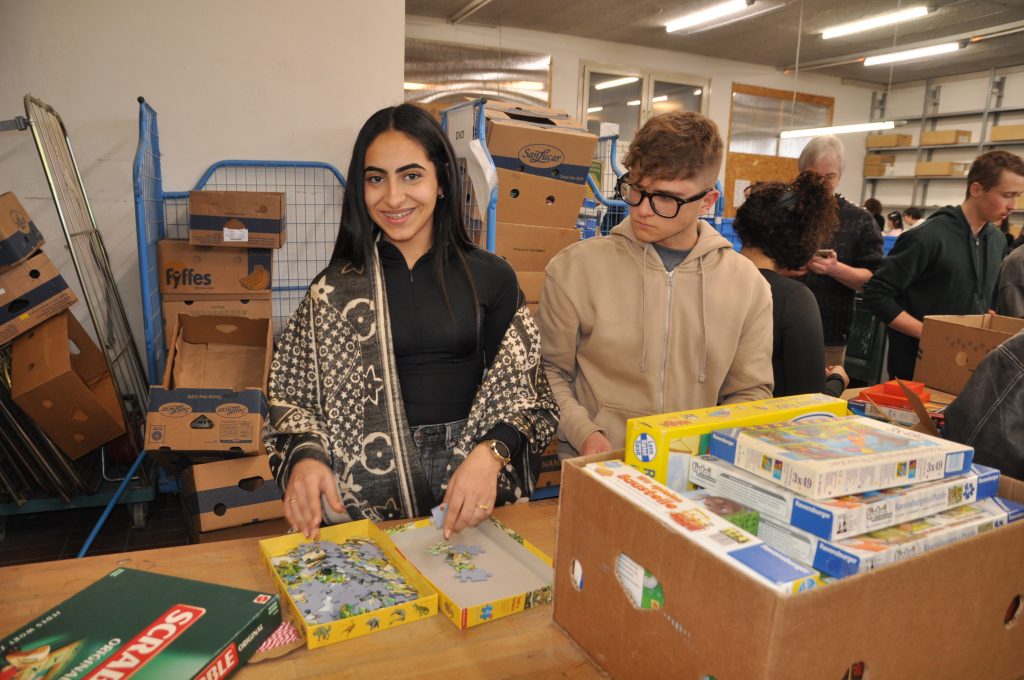
This activity introduces students to circular thinking through a hands‑on collaboration with CarLa, the Caritas second‑hand concept. The name Carla is made up of the words CARitas and Laden. Caritas Styria was founded in 1924 and has been engaged in social and environmental projects.
The GIBS Climate Action Group
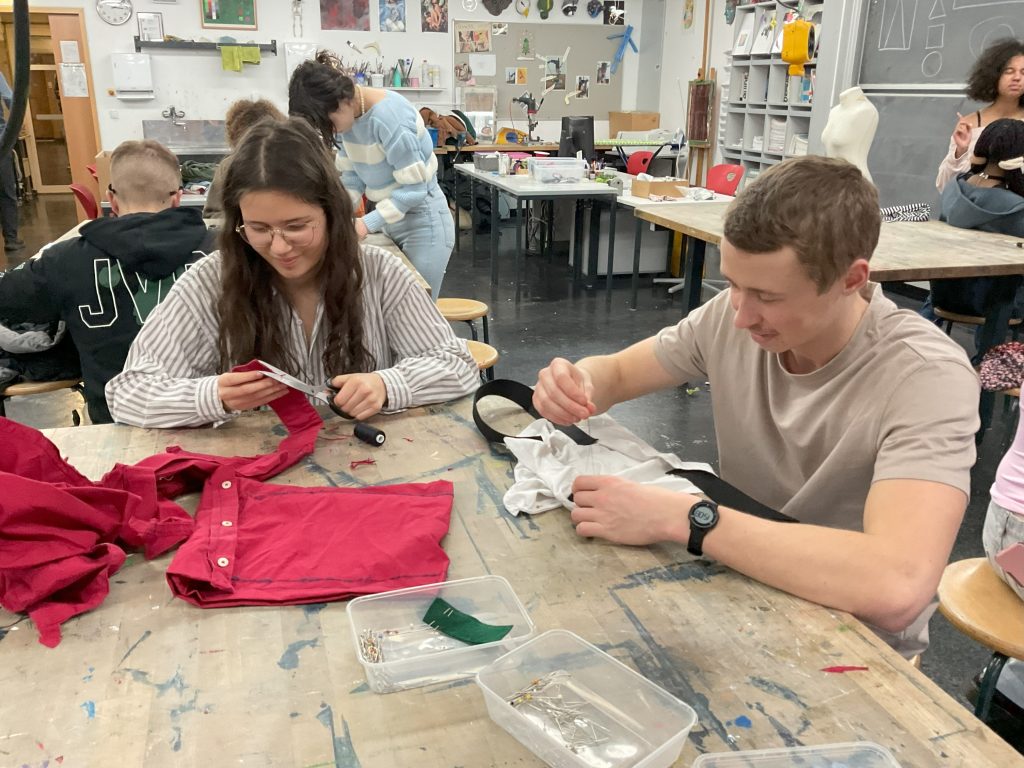
This activity engages younger students in hands‑on environmental and social projects designed to foster agency, collaboration, and sustainable thinking. Working in a student‑driven workshop format, participants develop and carry out projects such as biodiversity initiatives, second‑hand clothing campaigns, and waste‑management awareness activities.
Dial a Thought
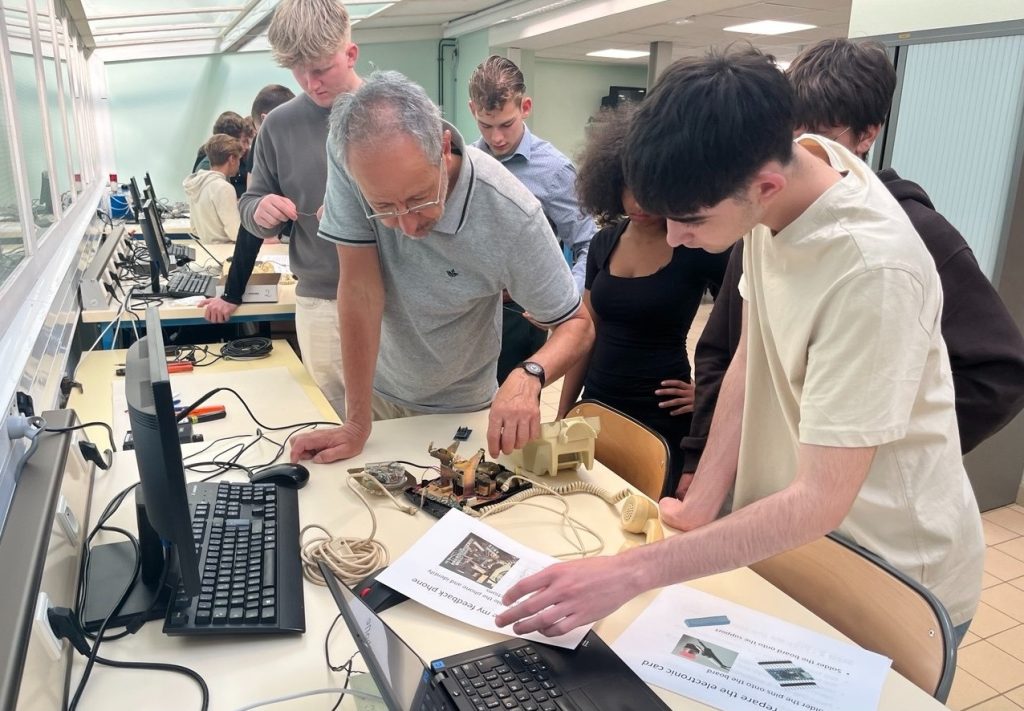
This activity invites students to document their learning experiences by transforming a vintage rotary telephone into an audio device that stores personal voice reflections. Instead of written evaluations, students record short messages that become part of a growing “living archive” inside the phone. The project blends reflection, oral expression, creative reuse of obsolete technology, and introductory electronics and programming.
Sustainable Kitchen
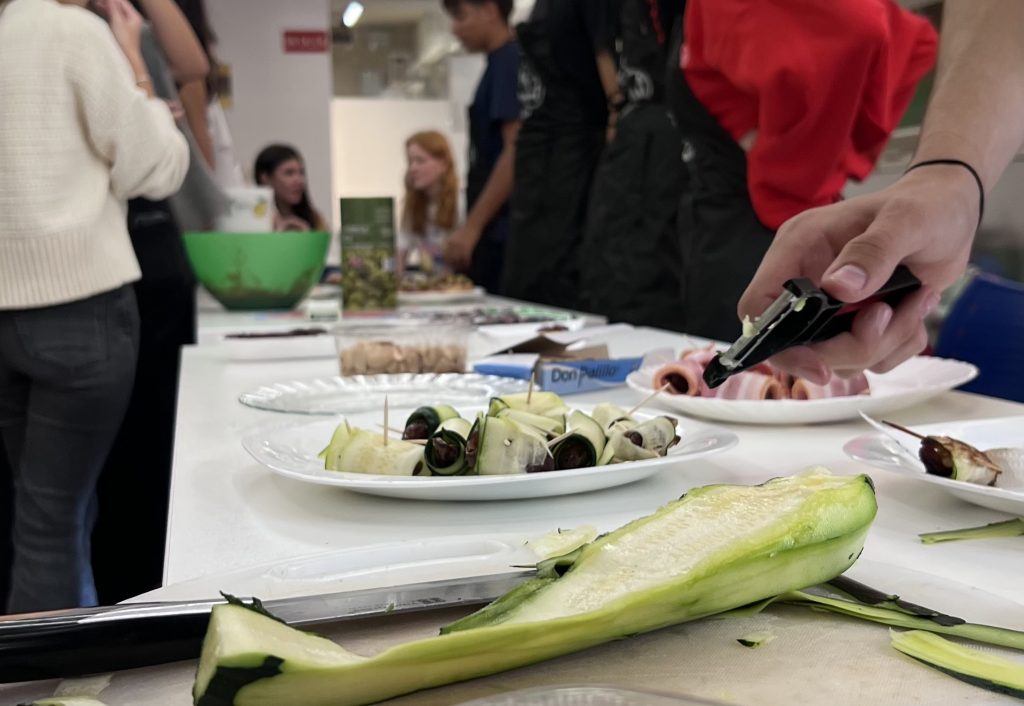
This activity brings together local Spanish students from socially and economically disadvantaged backgrounds and Erasmus participants to prepare, cook, and share a full menu made from local, seasonal ingredients. Working in mixed teams, students learn about sustainable food practices, cultural exchange, and inclusion through hands‑on cooking.
Sustainable Actions
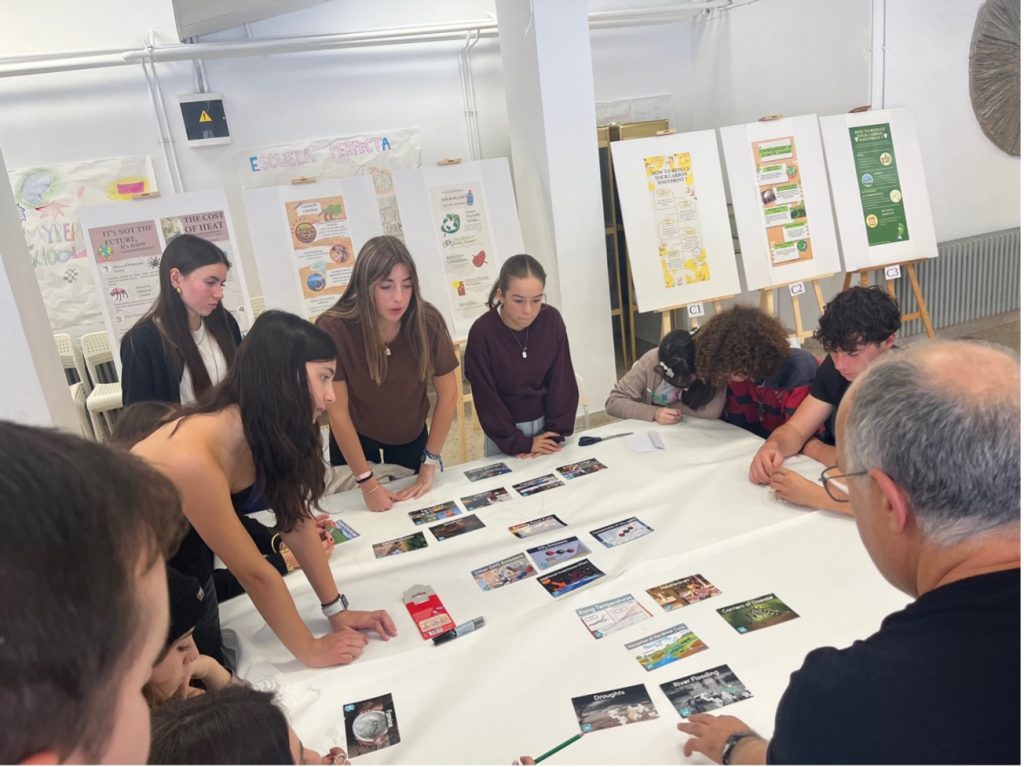
This activity focuses on developing students’ understanding of sustainability and climate change from an international perspective. Hosted by IES Carrús (Elche, Spain), the workshop emphasizes that climate change is a global issue requiring global, collaborative solutions.
Sun,Skin and Our Planet
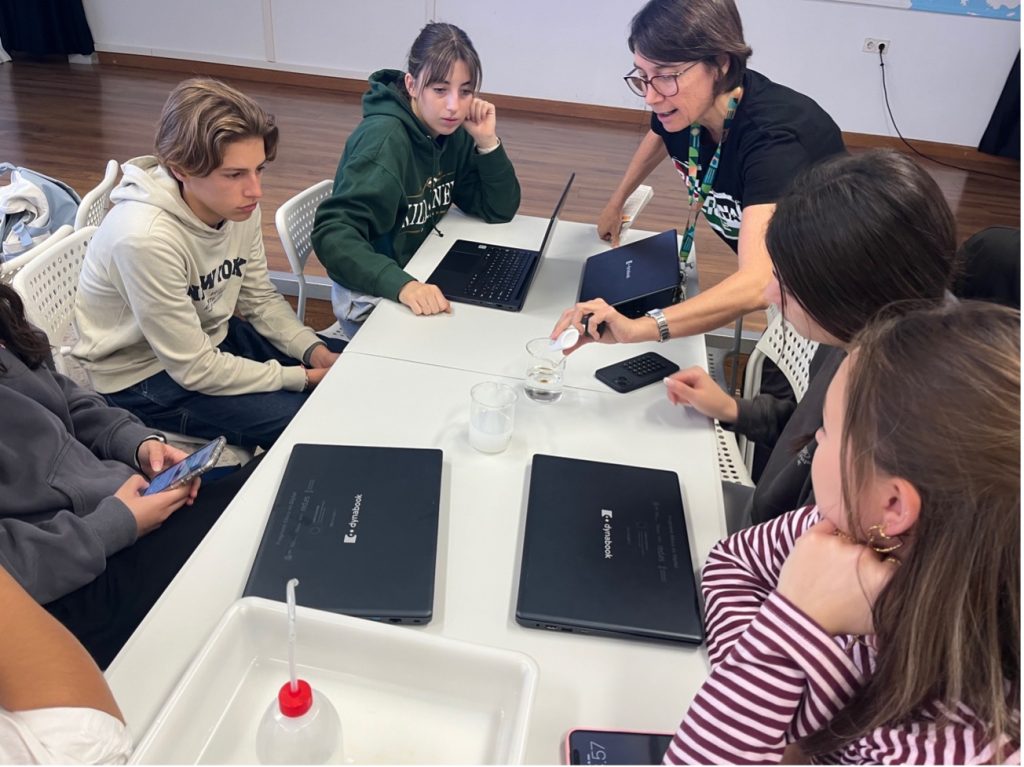
This workshop explores the connection between personal sun protection and its environmental consequences, focusing especially on the impact of sunscreen ingredients on aquatic ecosystems. Through a mix of scientific experimentation, guided online research, and collaborative discussion, students compare chemical and mineral sunscreens, investigate their effects on corals and marine life, and identify more sustainable alternatives.
A Sustainability Dilemma in Aalborg
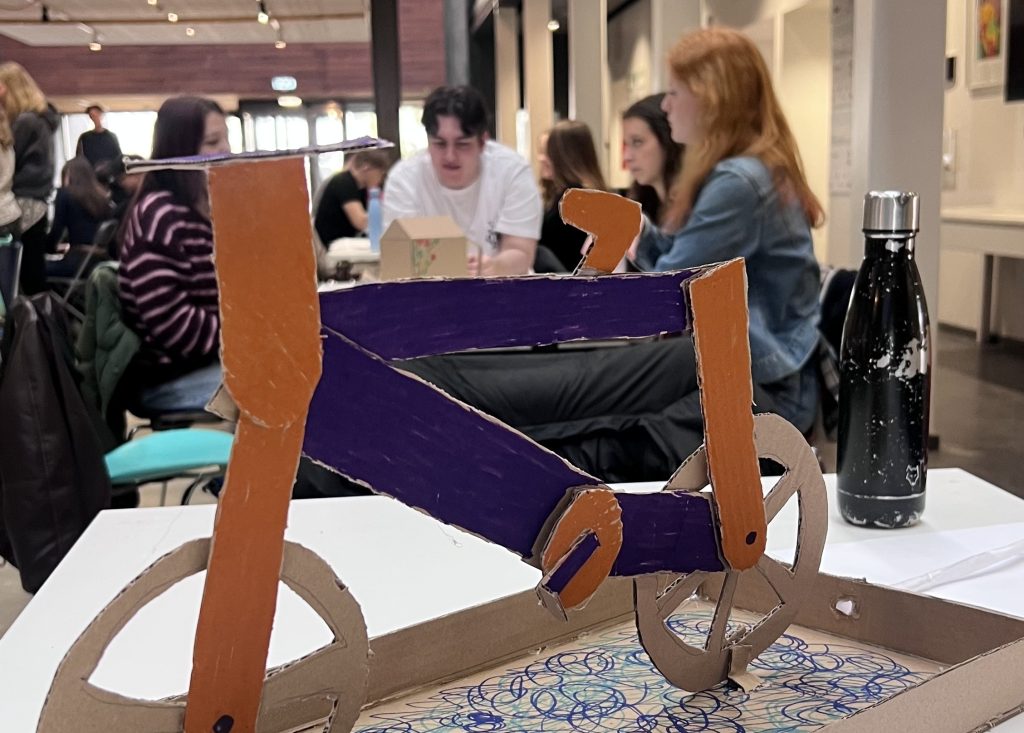
This workshop introduces upper‑secondary students to a local sustainability dilemma connected to climate adaptation and everyday urban life. Using Aalborg’s separate sewer system as a case, students explore the tension between environmental protection, climate‑resilient infrastructure, and citizens’ daily practices
Power-to-X Module
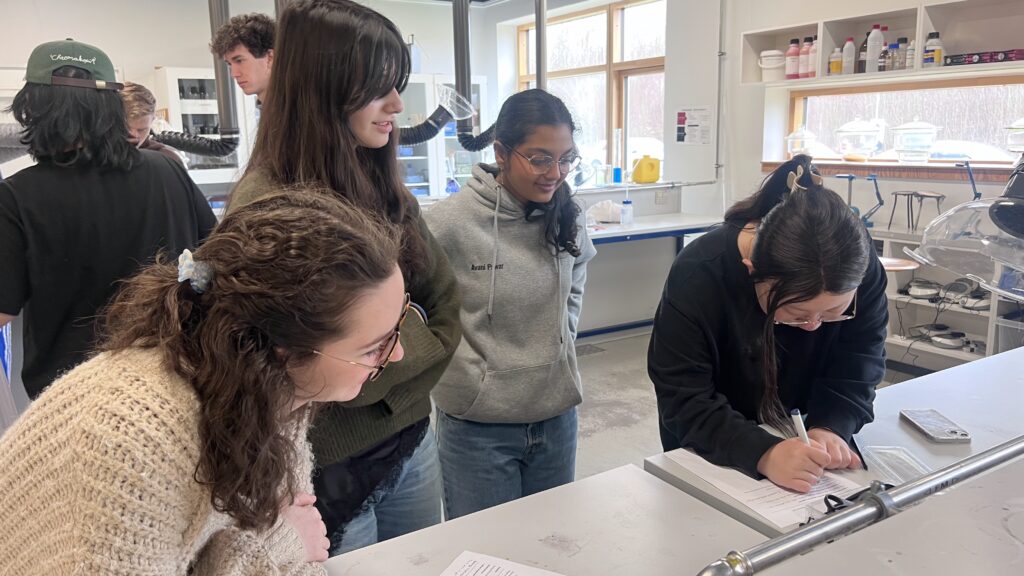
This three-day workshop introduces Power-to-X (PtX) as a key technology in the green transition. Through short inputs, experiments with electrolysis, and group discussions, students explore how renewable energy can be converted into fuels like hydrogen.